UKIYOE
Get closer to Japanese traditional and contemporary arts at one of our recommended workshops and exhibitions
HIROSHIGE UTAGAWA 歌川広重
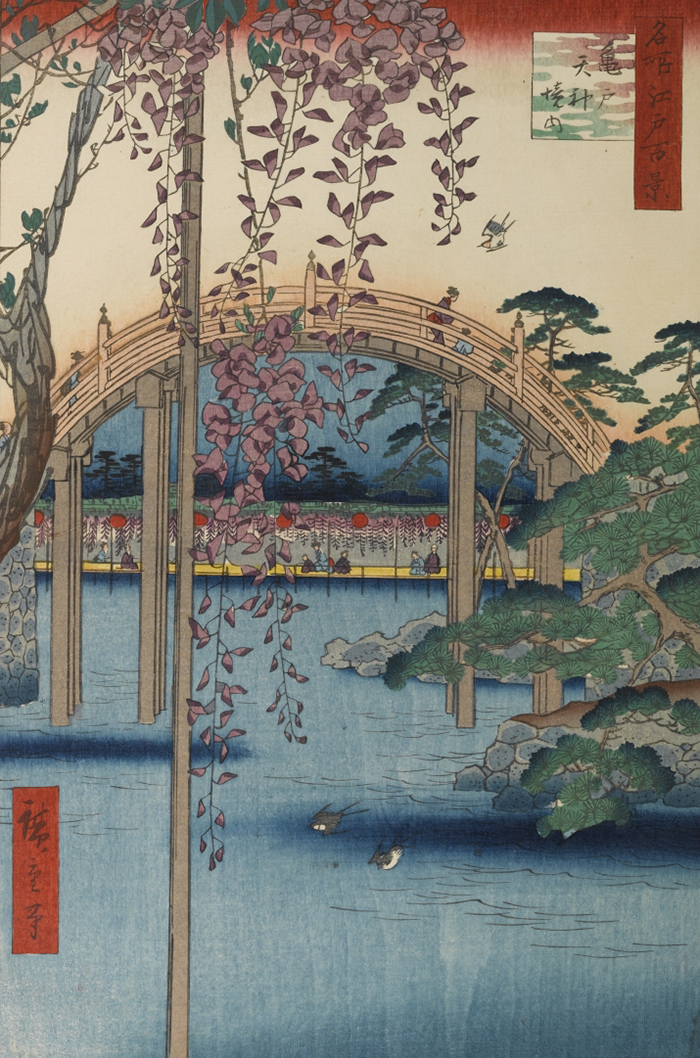
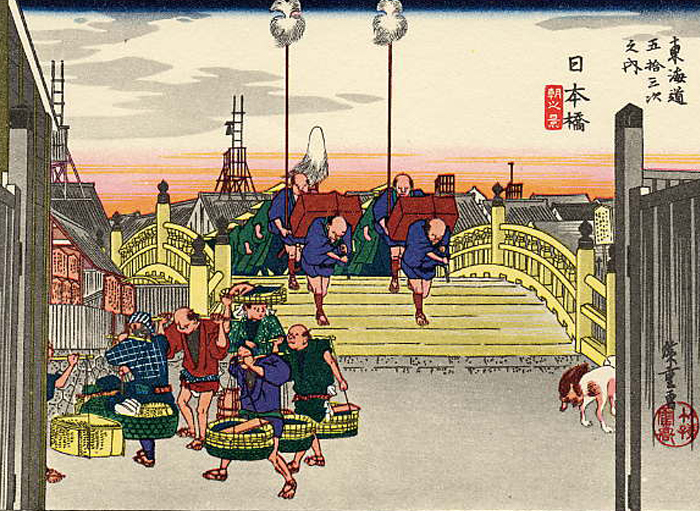
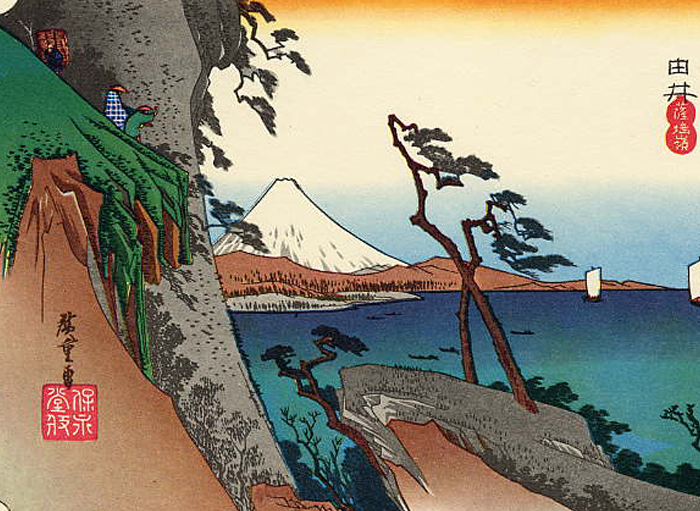
Utagawa Hiroshige (Japanese: 歌川 広重), also Andō Hiroshige (Japanese: 安藤 広重; 1797 – 12 October 1858) was a Japanese ukiyo-e artist, considered the last great master of that tradition.
Hiroshige is best known for his landscapes, such as the series The Fifty-three Stations of the Tōkaidō and The Sixty-nine Stations of the Kiso Kaidō; and for his depictions of birds and flowers. The subjects of his work were atypical of the ukiyo-e genre, whose typical focus was on beautiful women, popular actors, and other scenes of the urban pleasure districts of Japan's Edo period (1603–1868). The popular Thirty-six Views of Mount Fuji series by Hokusai was a strong influence on Hiroshige's choice of subject, though Hiroshige's approach was more poetic and ambient than Hokusai's bolder, more formal prints.
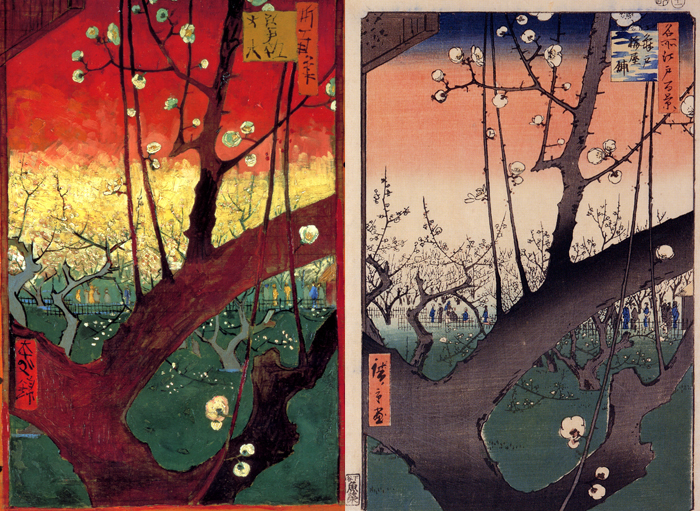
For scholars and collectors, Hiroshige's death marked the beginning of a rapid decline in the ukiyo-e genre, especially in the face of the westernization that followed the Meiji Restoration of 1868. Hiroshige's work came to have a marked influence on Western painting towards the close of the 19th century as a part of the trend in Japonism. Western artists closely studied Hiroshige's compositions, and some, such as van Gogh, painted copies of Hiroshige's prints.
TOYOKUNI Ⅲ 3代目豊国
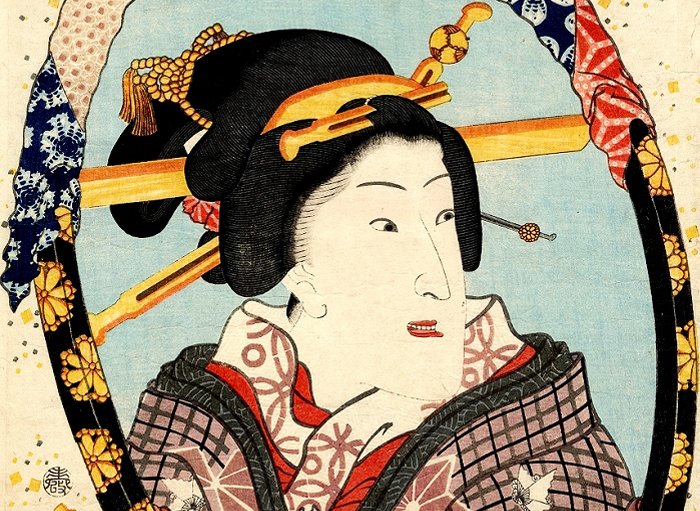
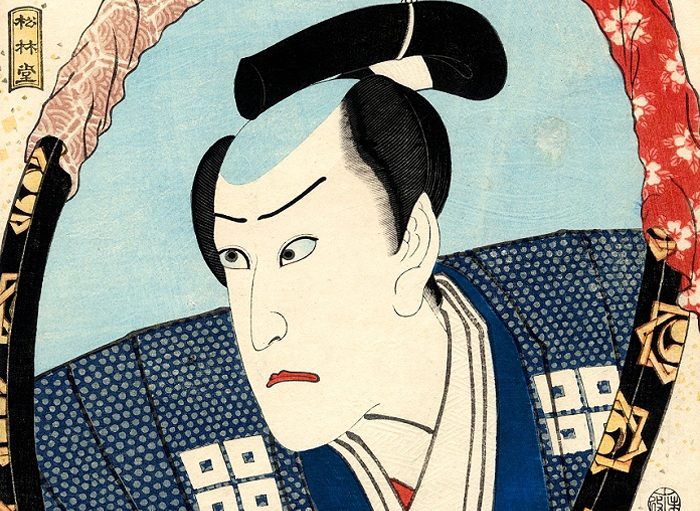
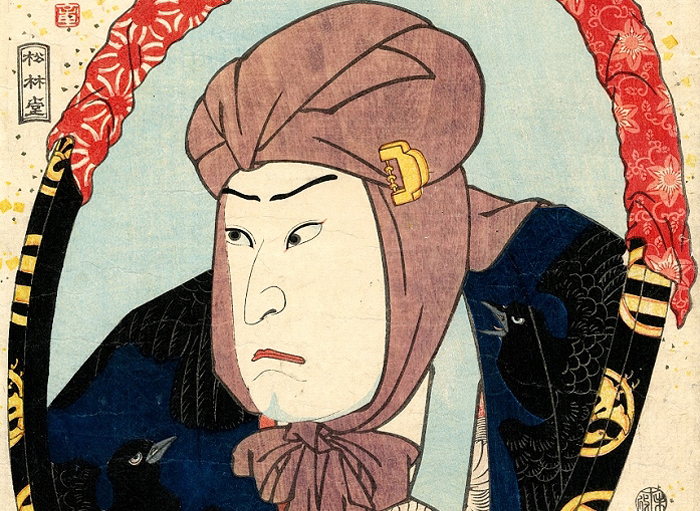
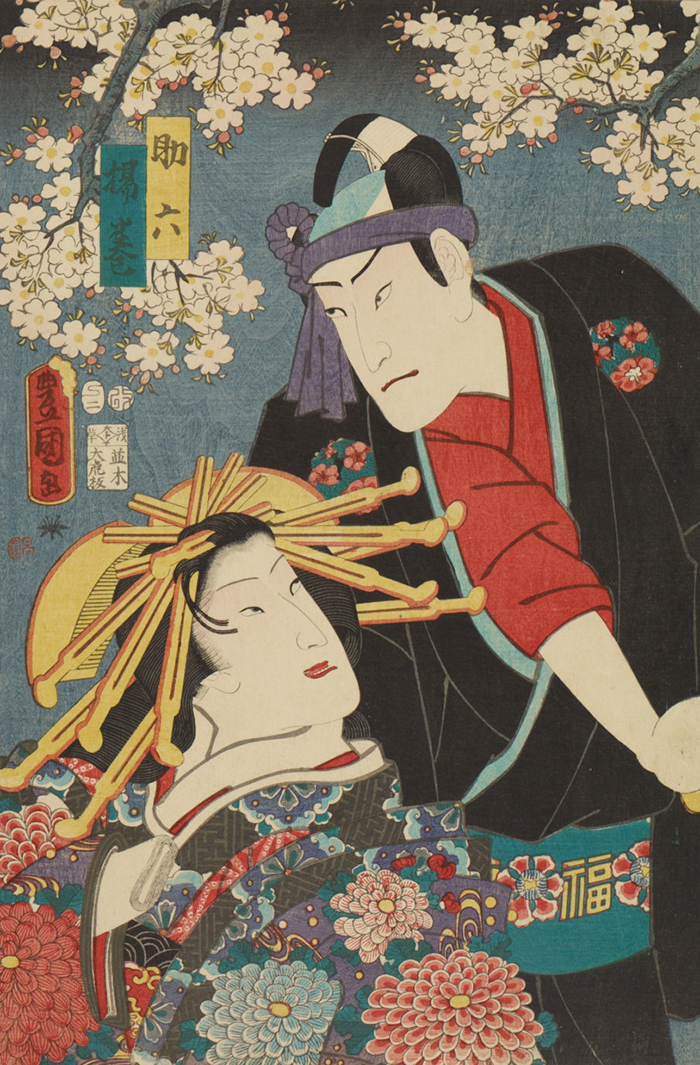
Utagawa Kunisada (Japanese: 歌川 国貞; also known as Utagawa Toyokuni III (3代歌川豊国); 1786 – 12 January 1865) was the most popular, prolific and financially successful designer of ukiyo-e woodblock prints in 19th-century Japan.
At the end of the Edo Period (1603–1867), Hiroshige, Kuniyoshi and Kunisada were the three best representatives of the Japanese color woodcut in Edo (capital city of Japan, now Tokyo). However, among European and American collectors of Japanese prints, beginning in the late 19th and early 20th century, all three of these artists were actually regarded as rather inferior to the greats of classical ukiyo-e, and therefore as having contributed considerably to the downfall of their art. For this reason, some referred to their works as "decadent".
Beginning in the 1930s and 1970s, respectively, the works of Hiroshige and Kuniyoshi were submitted to a re-evaluation, and these two are now counted among the masters of their art. Thus, from Kunisada alone was withheld, for a long time, the acknowledgment which is due to him. With a few exceptions, such as actor portraits (yakusha-e) and portraits of beautiful women (Bijinga), at the beginning of his career, and some series of large-size actor head-portraits near the end, it was thought that he had produced only inferior works. It was not until the early 1990s, with the appearance of Jan van Doesburg's overview of the artistic development of Kunisada, and Sebastian Izzard's extensive study of his work, that this picture began to change, with Kunisada more clearly revealed as one of the "giants" of the Japanese print that he was.